
Ever wonder about the origin of handbags and purses that have been essential to fashion history since people first sought something to carry around their possessions with them? The first written mention of such items dates back to the 14th century, although it is known that Egyptian hieroglyphs depict pouches carried around the waist. Bags were attached to “girdles” worn around the waists of men adorned with embroidery and jewels, and used to show status—the richer the person, the more elaborate the bag.
The first courier service originated in Renaissance Italy, where messengers used sturdy bags made from tooling leather to carry papers and money between banks. Around 1497, Leonardo da Vinci attempted his hand at fashion design, sketching an elaborate leather bag. In 2012, as a tribute to the city of Florence, the fashion house Gherardini brought Leonardo’s bag to life, naming it “La Pretiosa” (meaning “Precious”).
But Leonardo’s bag was not designed for women. At that time, men generally carried money in a pouch made from cloth or hide and attached to a waist belt. Women wore drawstring purses as a fashion item or receptacle for small items.
Grooms would give brides bags with embroideries that depicted love stories and poems as wedding gifts. They hung on drawstrings from women’s girdles or belts with items such as pomade or rosaries. These were predecessors of the chatelaine, a decorative belt hook or clasp worn at the waist with small sewing tools, watches, and other objects suspended from chains.
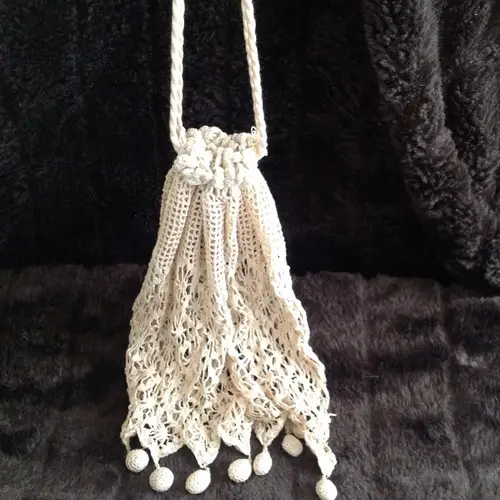
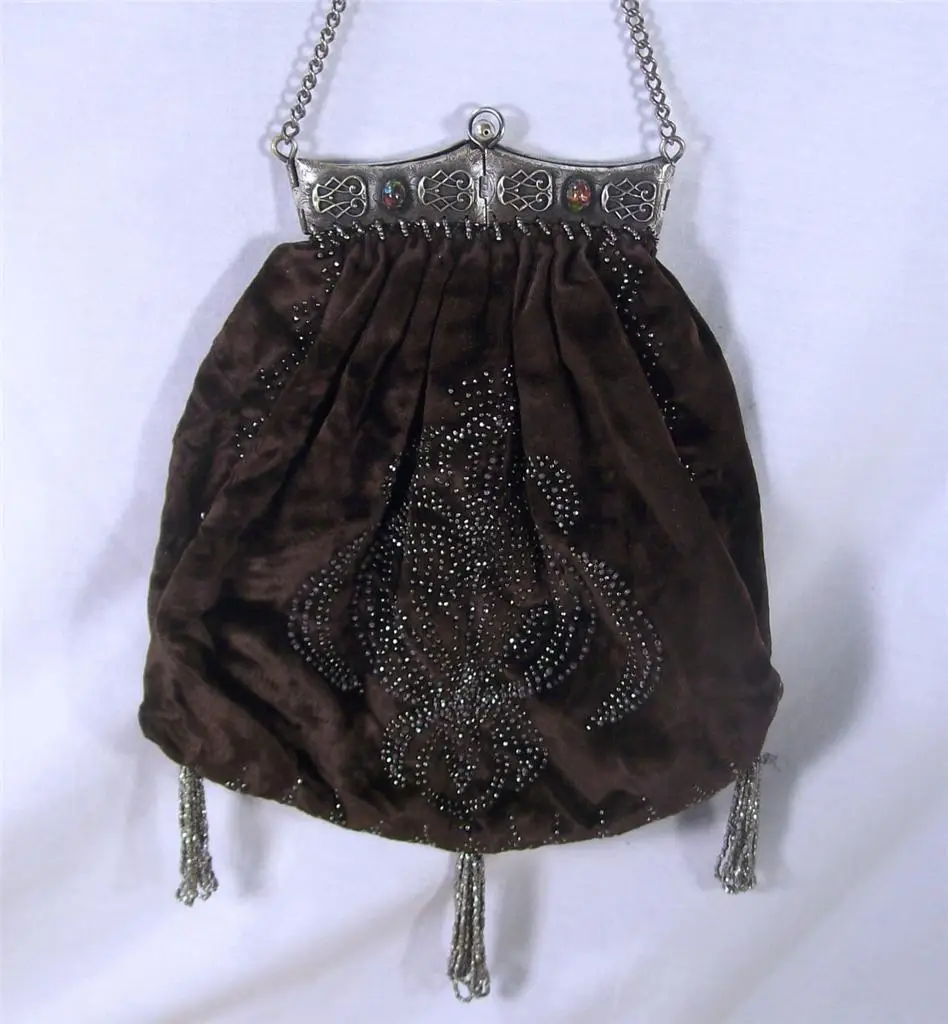
It was in the Middle Ages when bags first became a fashion accessory. Bags became a form of self-expression and portable canvases showing the bag maker’s craftsmanship. People began carrying drawstring pouches embellished with ornate embroidery and jewellery. Men of high social status showed off their wealth with a luxurious purse tied to their waist.
In the 16th century, handbags became more practical by using everyday materials like leather and drawstrings. During this period, travelers used larger cloth bags carried diagonally across the body. More variety emerged in the 17th century, when fashionable men and women carried small purses with intricate shapes. Young girls were taught embroidery as an essential skill to make them marriageable, and this resulted in beautiful and unique stitched artwork in handbags.
At first, woman satisfied themselves with pockets sewn inside the waistbands of their skirts. Neo-classical clothing became popular in the 18th century, characterized by a reduction in the amount of undergarments worn by women. To avoid ruining the look of this clothing, ladies began to carry bags called reticules. Women had a different bag for each occasion, and every fashion magazine had arguments on the proper carrying of purses. In reticules, one might find rouge, powder, a fan, a scent bottle, visiting cards, a card case, and smelling salts. Many of these early purses were drawstring affairs.
The term “handbag” first appeared in the early 1900s and generally referred to small, handheld luggage bags, typically carried by men. For thousands of years, bags were merely practical objects. Our earliest ancestors used bags made from animal skins and plant fibres to carry hunting and gathering tools.
Once women got into the act, they sought fancier bags, featuring purses with intricate fasteners, internal compartments, and locks. With this new fashion, jewelers got into the act with special compartments for opera glasses, cosmetics, and fans.
Due to the revolution in fashion, with its varying hemlines and lighter clothing, in the 1920s, bags no longer needed to match the outfit perfectly. The rage was for the stylish lady to carry a doll wearing an identical costume to her own, complete with a matching bag.
The 1940s saw a new austerity in clothing, including handbags, due to the war effort. Metal frames, zippers, leather, and mirrors were in short supply, so manufacturers used plastic and wood instead. This continued into the 50s. I well remember the boxy little plastic purses I had when I was young. The 1950s also saw the rise of important designer houses, including Chanel, Louis Vuitton, and Hermès, while the 1960s saw the breakdown of old notions of the classical and the rise of youth culture.
Do any of you own any vintage or antique bags? Most would still be popular to carry today under the right circumstances. What sort of bag did you take to your school prom?